
The pets we love often reflect the parts of ourselves we understand best
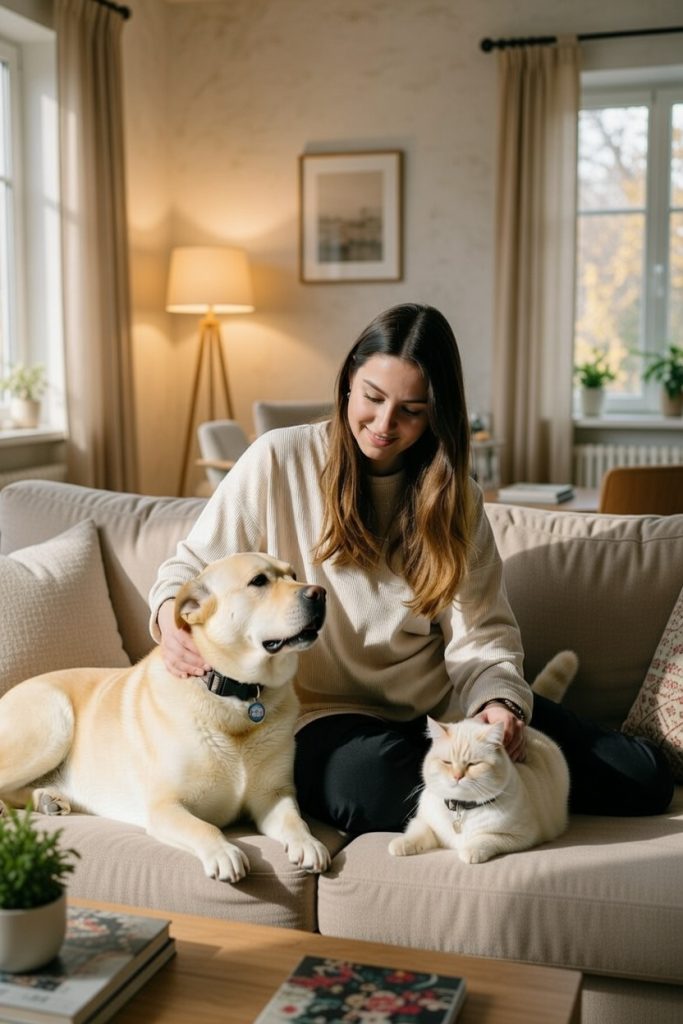
Dogs and cats have varied personalities, and our preference can reveal a lot about our own.
Introduction
The age-old debate between cat lovers and dog lovers goes beyond which pet is “better”—it often reveals insights into personality. Psychological research, including studies on the Big Five traits (extraversion, agreeableness, conscientiousness, neuroticism, and openness), consistently finds patterns between self-identified “cat people” and “dog people.” These findings suggest our pet choices mirror aspects of our character, with dog people leaning toward social and structured traits, while cat people favor independence and creativity. This post explores these differences based on key scientific studies.
Personality Traits of Dog People
Dog enthusiasts frequently display traits that align with an outgoing, group-oriented lifestyle.
- They score higher in extraversion, appearing more energetic, lively, and comfortable in social environments, such as dog parks or group activities.
- Higher agreeableness makes them warmer, more cooperative, and friendly, often prioritizing harmony and helping others.
- Greater conscientiousness leads to rule-following, organization, responsibility, and a pragmatic approach to life.
- Lower neuroticism contributes to resilience, emotional stability, and better handling of stress or challenges.
- Overall, dog people are described as grounded, dutiful, warm, expressive, and socially bold, thriving in situations that involve interaction and routine.
Personality Traits of Cat People
Cat lovers often embody a more introspective and unconventional profile.
- They tend to be more introverted, enjoying solitary time, quiet evenings, and self-directed pursuits over frequent socializing.
- Higher openness to experience fosters creativity, curiosity, imagination, and a love for art, ideas, or nontraditional views.
- Increased neuroticism can mean greater sensitivity, worry, or emotional depth, though this pairs with self-reliance.
- Many studies show cat people scoring higher in intelligence, abstractedness, nonconformity, and independence, valuing personal freedom.
- They are often seen as shy yet sentimental, serious, creative, and self-sufficient, appreciating the mysterious independence of cats.
Overlaps and Exceptions
Personality differences are not absolute—many people adore both cats and dogs, showing blended traits.
- Individuals who love both may balance extraversion with creativity or conscientiousness with openness.
- Factors like living situation, allergies, or past experiences influence preferences more than strict personality categories.
- Some research notes that “both” or “neither” groups exist, with moderate scores across traits, highlighting individual variation.
- Exceptions remind us these are tendencies, not rigid rules; a highly extraverted cat person or introverted dog person is common.
Cultural and Psychological Implications
These patterns carry broader meaning beyond individual traits.
- Dog people may project needs for loyalty and companionship, while cat people value autonomy and mystery in relationships.
- Cultural stereotypes portray dog people as dominant or action-oriented and cat people as philosophical or enigmatic.
- Understanding these can build empathy, recognizing that an introverted cat person’s quietness stems from preference, not disinterest.
- Pet choice might enhance well-being—resilient dog owners cope better in isolation, while creative cat owners thrive in reflective spaces.
Conclusion
Your preference for cats or dogs offers a fun, research-backed window into personality. Dog people bring energy, warmth, and reliability, while cat people contribute depth, innovation, and independence. Studies from sources like the University of Texas, Carroll University, and recent Anthrozoös publications confirm these patterns, rooted in how we connect with animals that reflect our inner world. Whether you’re firmly Team Dog, Team Cat, or happily both, embracing these insights can deepen appreciation for yourself and fellow pet lovers. After all, our pets don’t just share our homes—they echo who we are!