
A dietary detox is a short-term eating approach designed to help the body eliminate toxins, improve digestion, and “reset” eating habits. These programs often involve juice cleanses, fasting, herbal teas, or eliminating processed foods, sugar, caffeine, and alcohol for a specific period.
While detox plans are marketed as a way to cleanse the body and boost energy, the concept is often misunderstood. The human body already has a built-in detoxification system—primarily the liver, kidneys, digestive tract, and lungs—that works continuously to remove waste and harmful substances. The real question is not whether you need a detox, but how you can better support these natural systems.
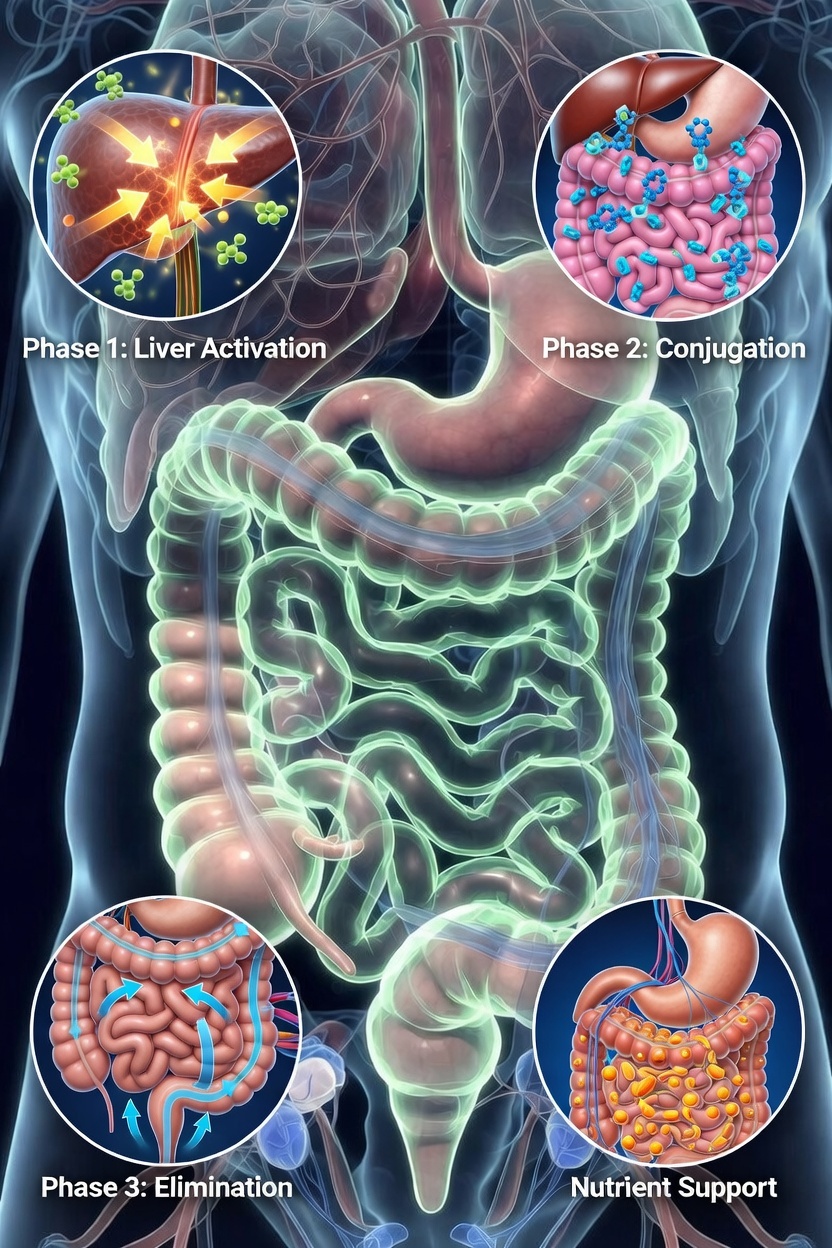
How Does the Body Naturally Detox?
Your body is biologically designed to detoxify itself every single day through:
Liver – Filters blood, metabolizes toxins, and processes chemicals
Kidneys – Remove waste through urine
Digestive system – Eliminates solid waste
Lungs – Expel carbon dioxide
Skin – Releases minor waste products through sweat
When these systems function properly, they efficiently remove toxins without the need for extreme cleanses or restrictive diets.
Do Detox Diets Really Work?
Many detox diets promise rapid weight loss, clearer skin, improved digestion, and higher energy levels. While people may notice short-term changes, these effects are usually due to:
Reduced calorie intake
Water weight loss
Lower carbohydrate consumption
Temporary elimination of processed foods
There is limited scientific evidence proving that commercial detox programs remove toxins more effectively than your body’s natural processes.
Potential Risks of Extreme Detox Diets
Although detox diets can seem harmless, restrictive plans may lead to:
Nutrient deficiencies
Muscle loss
Slowed metabolism
Blood sugar instability
Fatigue, dizziness, or headaches
For some individuals, repeated detox cycles can also create an unhealthy relationship with food, promoting cycles of restriction and overeating.
How to Detox Your Body Naturally (The Safe Way)
Instead of relying on extreme cleanses, focus on sustainable habits that support your body’s detox systems.
1. Stay Properly Hydrated
Water supports kidney function and helps flush metabolic waste. Aim for steady hydration throughout the day.
2. Increase Fiber Intake
Fiber binds to waste and supports regular bowel movements. Include:
Vegetables
Fruits
Whole grains
Legumes
3. Eat Antioxidant-Rich Foods
Antioxidants help combat oxidative stress. Add:
Leafy greens
Cruciferous vegetables (like broccoli and cauliflower)
Berries
Nuts and seeds
4. Reduce Ultra-Processed Foods
Minimizing added sugars, refined oils, and artificial additives reduces the body’s inflammatory load.
5. Prioritize Quality Sleep
During deep sleep, the brain clears metabolic waste through the glymphatic system, supporting overall detoxification.
6. Exercise Regularly
Physical activity improves circulation, supports lymphatic movement, and enhances metabolic health.
A Healthier Way to “Reset” Your Diet
Many people seek detox diets after periods of overeating or stress. Instead of drastic measures, try a practical reset:
Focus on whole foods for 7–14 days
Cook meals at home
Limit alcohol and sugary drinks
Increase vegetable intake at each meal
Maintain consistent sleep patterns
This approach supports long-term health without the risks associated with restrictive detox programs.
Who Should Avoid Detox Diets?
Extreme detox plans are not recommended for:
Pregnant or breastfeeding individuals
People with diabetes
Individuals with eating disorders
Those with chronic medical conditions
If you experience ongoing fatigue, digestive discomfort, or unexplained symptoms, consult a healthcare professional rather than attempting a restrictive cleanse.
Final Thoughts: Do You Really Need a Detox?
The idea of detoxing appeals because it promises quick results and a fresh start. However, your body is already equipped with powerful detoxification systems. The key to better health is not extreme restriction—but consistent, balanced habits.
If you’re looking to detox your body naturally, start with hydration, fiber-rich foods, regular movement, and quality sleep. Sustainable wellness always outperforms short-term cleanses.